
International Day of Women and Girls in Science: Dr Sherry Aw
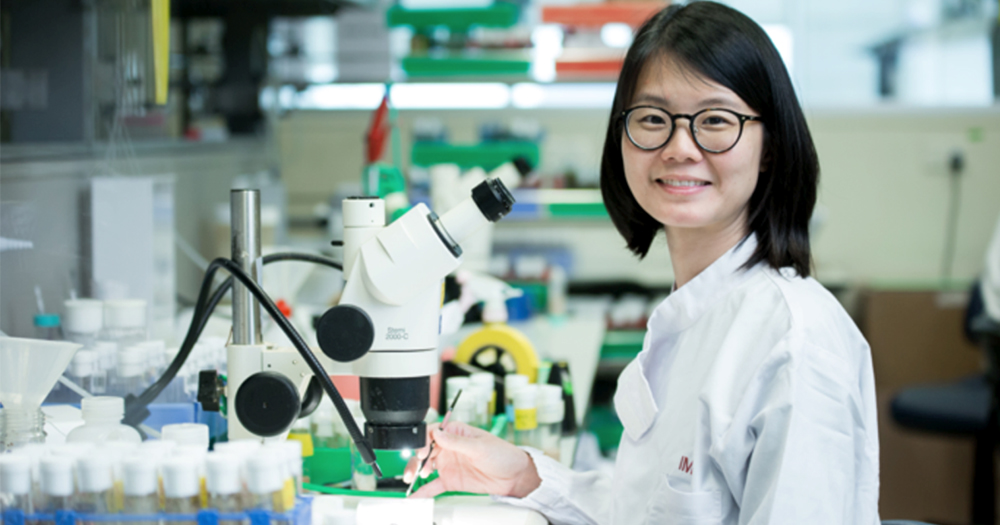
1) Tell us about what you do at A*STAR's Institute of Molecular and Cell Biology (IMCB)- especially about your focus on diseases such as Alzheimer's and Parkinson's.
I study neurodegeneration using a less complex animal- the fruit fly. Despite having a small brain (with a million times fewer neurons than humans)- the fly carries out many complex behaviours guided by its nervous system. In the fly- just like in humans- brain cells die with age- and mutations in conserved genes that are known to cause neurodegenerative diseases like Parkinson’s Disease- also cause brain cell death- tremors- short lifespan and walking defects in flies. I carry out experiments to determine what happens in the cells to cause these defects- in order to help us understand how disease develops and progresses in humans. The hope is to apply what we learn towards new clinical therapies in future.
2) What is/ are your motivations for getting into this field of research?
Science is fascinating! I love the fact that I'm constantly learning and discovering new things- and occasionally- when the stars align- see or understand for the first time something that no one else knew before. I enjoy the work and derive great satisfaction from it- both in terms of the day to day work- as well as the potential long term prospects of our work.
I am interested in neurodegeneration- in particular- from a curiosity perspective- and also because these diseases have growing impact in our aging societies.
3) What does the 'Great Women of Our Time' award mean to you- and also to women in Science & Tech?
It is a great honour- and I would like to thank Womens’ Weekly and other organisations- including the L'Oréal-UNESCO For Women in Science Awards- for spotlighting women in science. Awards such as these have given us a platform to share our work- which women tend to shy away from doing. Such awards allow young girls and women interested in science to visualize science as a career for themselves.
4) What are your favourite past times outside of work?
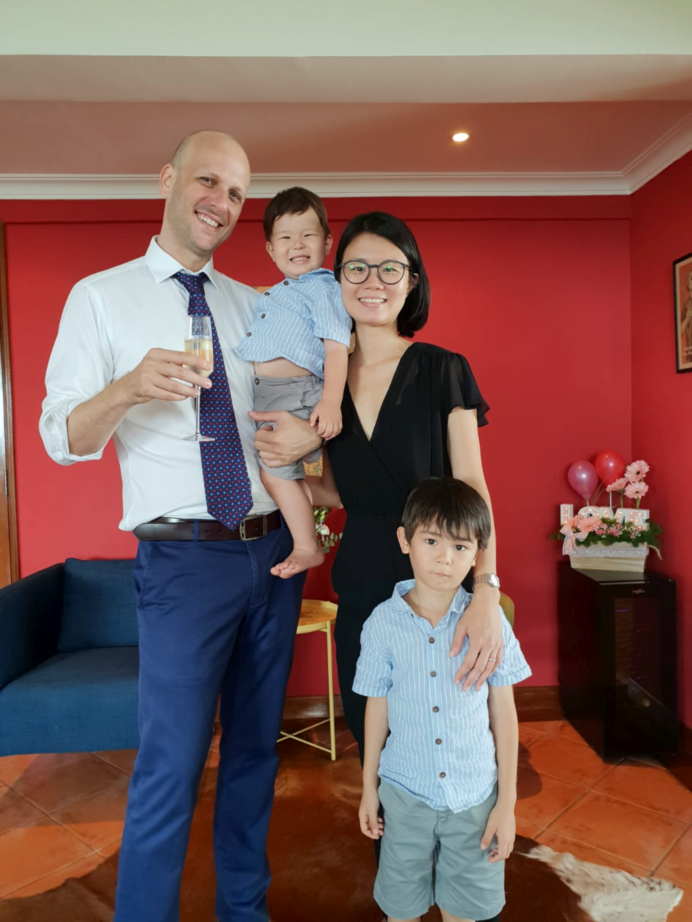
I have two children and we try to spend our weekends doing activities together as a family- e.g. going swimming- biking in the park or doing puzzles. I also handmake jewelry and try to catch up with friends.