Research Focus
Study citation: Lou X, Lim J, Li B, Yu D, Gunaratne J. Mass spectrometry-based proteomics pipeline for screening hazardous proteins in alternative protein-based foods. Food Chem. 2025 Jul 1;492(Pt 2):145395. doi: 10.1016/j.foodchem.2025.145395.
A*STAR IMCB Scientists Develop Proteomics Pipeline to Strengthen Safety of Alternative Proteins
14 Jul 2025

Prof Jayantha Gunaratne, Senior Principal Investigator, Translational Biomedical Proteomics
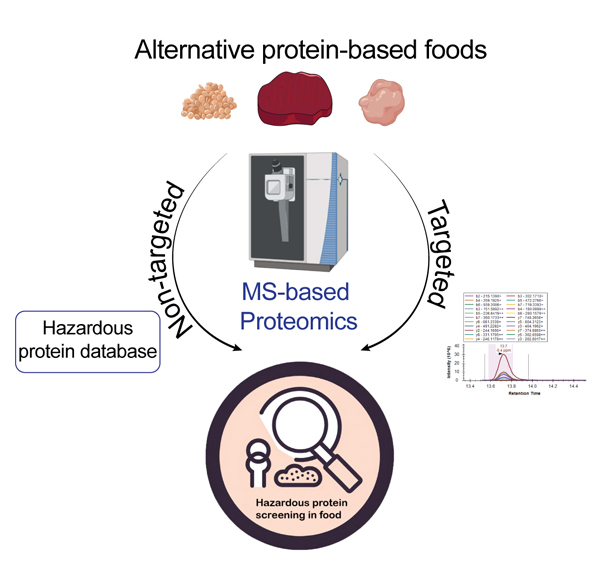
As the global appetite for alternative proteins grows, so does the need for robust methods to ensure their safety. Researchers from the A*STAR Institute of Molecular and Cell Biology (A*STAR IMCB) in collaboration with Singapore Food Agency (SFA), have developed a mass spectrometry-based proteomics pipeline to screen for hazardous proteins in novel food sources — a key advancement in supporting regulatory evaluation and consumer confidence.
The study, published in Food Chemistry, a top-tier journal in Food Science and Technology, was led by Senior Investigator Dr. Jayantha Gunaratne, with Dr. Xiaowei Lou as first author. Their work presents a streamlined, label-free workflow for detecting potential allergens, toxins and other hazardous proteins in alternative protein products, offering a reproducible and scalable platform for industry and regulatory use.
“The ability to systematically identify and quantify proteins of concern is vital as more novel food sources enter the market,” said Dr. Gunaratne. “Our workflow provides a strong foundation for integrating proteomic safety checks into the development pipeline.”
The proteomics pipeline was tested across a range of alternative protein types, including plant-based and microbial sources, demonstrating its flexibility and reproducibility. Notably, the team emphasized the value of data-driven, agnostic screening approaches in safeguarding public health, especially as regulatory frameworks continue to evolve alongside food innovation.
This work underscores IMCB’s strength in cutting-edge proteomics and its commitment to driving scientific innovation with societal impact, contributing meaningfully to intersecting domains such as food safety, biotechnology, and public health.
Read the full publication:
Study citation: Lou X, Lim J, Li B, Yu D, Gunaratne J. Mass spectrometry-based proteomics pipeline for screening hazardous proteins in alternative protein-based foods. Food Chem. 2025 Jul 1;492(Pt 2):145395. doi: 10.1016/j.foodchem.2025.145395.