Cancer Signalling & Therapy Division
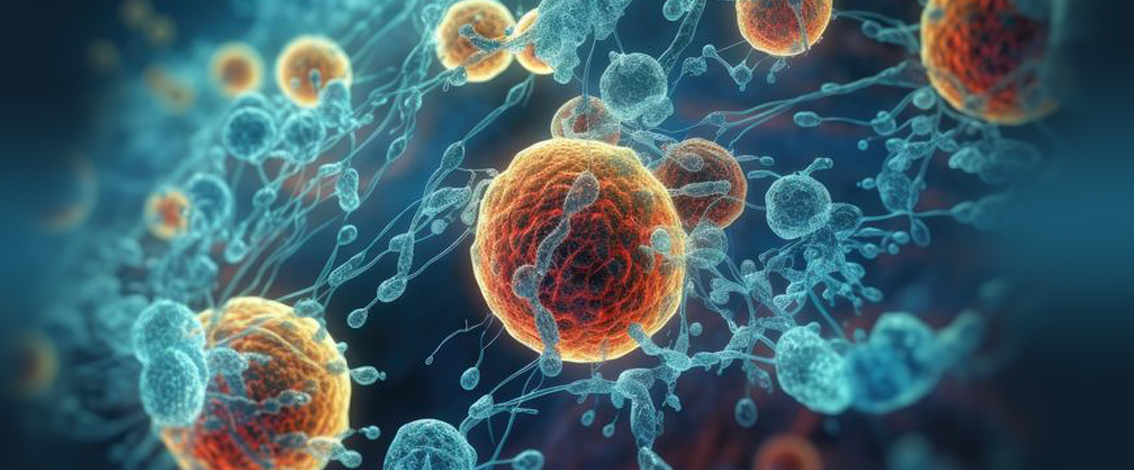
Cancer is a leading cause of death worldwide, accounting for nearly ten million deaths in 2020, or nearly one in six deaths. The high fatality and immense burden of disease necessitated the conduct of cancer research globally.
The IMCB Cancer Signalling & Therapy Division comprises a team of basic scientists and clinicians investigating this disease across the research continuum, from the biology and molecular basis of cancer cells and fundamental aspects of cancer cell signalling, to pre-clinical and clinical models and therapeutics.
Cancer Signalling and Cancer Stem Cells
Cancer signalling and crosstalk between stem cells and cancer cells is a fundamental research topic. Besides discovering key proteins and non-coding RNAs that regulate inflammation, cell size and extracellular matrix via NF-κB and hippo signalling pathways, we also seek to understand how cancer stem cells function in the intestines.
Cancer signalling and crosstalk between stem cells and cancer cells is a fundamental research topic. Besides discovering key proteins and non-coding RNAs that regulate inflammation, cell size and extracellular matrix via NF-κB and hippo signalling pathways, we also seek to understand how cancer stem cells function in the intestines.
Molecular Basis of Cancer (Epigenetics and Structure)
Understanding the molecular basis of mechanisms that drive and sustain cancer is important for developing effective treatments. A key focus is on studying intracellular processes in stem cells and cancer such as epigenetic, chromatin dynamics and structural biology.
Understanding the molecular basis of mechanisms that drive and sustain cancer is important for developing effective treatments. A key focus is on studying intracellular processes in stem cells and cancer such as epigenetic, chromatin dynamics and structural biology.
Pre-clinical Models of Cancer
Pre-clinical animal models enable mechanistic studies and development of cancer therapeutics. In addition to mouse models of diseases, immunocompromised zebrafish models are also being generated as novel animal xenotransplantation models for both biological and translational drug discovery studies.
Pre-clinical animal models enable mechanistic studies and development of cancer therapeutics. In addition to mouse models of diseases, immunocompromised zebrafish models are also being generated as novel animal xenotransplantation models for both biological and translational drug discovery studies.
Clinical Models and Therapeutics
Clinicians serve as bridges between the basic scientists and the clinic. There have been extensive collaborations with clinicians to construct and profile different cancer types using cutting edge genomics and spatial-omics technologies. Therapeutics for the clinic are also actively being developed, such as the study and development of therapeutics targeting PRL3 phosphatase.
Clinicians serve as bridges between the basic scientists and the clinic. There have been extensive collaborations with clinicians to construct and profile different cancer types using cutting edge genomics and spatial-omics technologies. Therapeutics for the clinic are also actively being developed, such as the study and development of therapeutics targeting PRL3 phosphatase.