IMCB ENABLING TECHNOLOGY PLATFORM (ETP)

IMCB offers a diverse portfolio of technology platforms that provide capabilities and support at all stages of the preclinical drug discovery and development journey, from target and lead discovery and efficacy studies in different disease modelling platforms, to analytic tools to support analysis in specialized areas, such as PKPD, toxicology and histopathology. Several of the capabilities are unique to Singapore or South-East Asia.
Managed by IMCB Enabling Technology Platform (ETP), these platforms are offered through A*STAR Research Support Centre (RSC). Investigators from A*STAR, the Universities and Hospitals, and Industry are welcome to take advantage of these capabilities to propel their research. Besides providing high quality, reliable and timely routine services, the platforms can be engaged to explore the (co-)development of bespoke protocols and assays. The Division also aims, based on interest or demand, to develop or deploy novel next-generation technologies.
I. Target and Lead Discovery
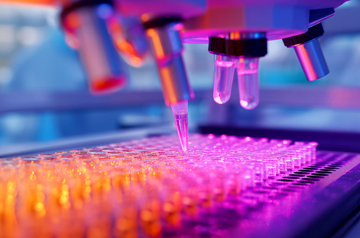
IMCB RNAi facility is a pioneering center dedicated to supporting phenotypic functional genomic screens. Established in 2005, it was Singapore’s first facility for genome-wide RNAi screening. Our capabilities include training and guidance in miniaturizing cell-based assays into a 384-well format, access to comprehensive arrayed siRNA libraries for both mouse and human genomes, and advanced high-content imaging and analysis tools such as Opera Phenix, Operetta CLS and Incucyte SX5. Additionally, we provide expertise in Next-Generation Sequencing (NGS), offering customized solutions for RNA-Seq, functional genomics pools library screen, including CrispR/Cas9 and CrispRI screens.
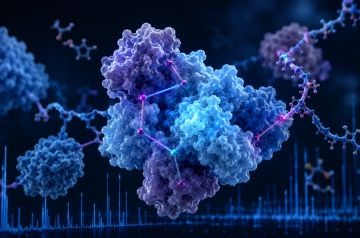
IMCB Structural Proteomics and Interactome (SPAI) platform provide expertise in chemical proteomics and advanced mass spectrometry techniques to identify protein interactomes (protein-protein interactions, RNA-binding protein interactions). The platform has expertise in structural proteomics, to examine residue-to-residue proximities using cross-linking mass spectrometry and conformational changes based on chemical labelling proteomics.
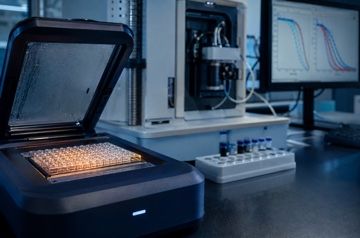
The IMCB Molecular Mechanism & Target Discovery (MxTD) Unit profiles protein functional states across the proteome to investigate drug mechanisms of action and resistance. Changes in these states can reflect drug–target engagement, altered protein interactions and complex dynamics, post-translational modifications, and cellular pathway responses. Together with mechanistic and functional studies, this approach connects molecular mechanisms to therapeutic target discovery and validation.
II. Disease Modelling Platforms

IMCB BioPharma Innovation and Solutions (BPIS) provides comprehensive end-to-end solutions for drug discovery, covering the entire process from target identification to preclinical candidate nomination, under GLP-like or GLP conditions, ensuring high quality and strict confidentiality. BPIS utilises high-quality cancer tissue specimens from local hospitals, integrating multi-omics data with bioinformatics and cell biology tools to identify and validate targets and design proof-of-concept studies for oncology target discovery and development. In addition, BPIS has robust in-house platforms, including a specialised bioanalysis platform for small molecules, oligonucleotides, and biologics; validated preclinical animal models for oncology (syngeneic, cell line derived & patient-derived models), and fibrosis (lung, liver & kidney), as well as comprehensive pharmacokinetic/pharmacodynamic (PK/PD) and toxicokinetic studies to support clients, collaborators and in-house projects. Our expertise also encompasses efficacy evaluations in rodent models and toxicity assessments (GLP and non-GLP) to ensure the safety of drugs, cosmetics, and novel foods.

At IMCB Humanised Mouse Laboratory, advanced scientific techniques are employed to develop mice stably reconstituted with functional human immune systems, human liver, and human gut microbiota. By modelling a spectrum of human diseases, this innovative platform accelerates our understanding of disease pathogenesis and the evaluation and discovery of therapeutics. Bridging the gap between research and clinical trials, our team contributes to enhanced health outcomes and advancements in global biomedical research.
We establish and scale human cell and organoid models for disease modelling, drug discovery and functional phenotyping. Our capabilities span conventional 2D cell culture, human pluripotent stem cell (iPSC) maintenance and differentiation, iPSC clonal selection and expansion, as well as complex 3D models including iPSC derived cardiomyocytes, neurons, endothelial cells and multicellular organoids. Automated imaging and culture workflows enable systematic monitoring of cell growth, morphology and differentiation, supporting the generation of highly reproducible cellular models for downstream applications.
Our 3D organoid platform enables the generation, long term culture and longitudinal monitoring of physiologically relevant human tissues. The integration of automated culture, imaging and AI based image analysis through CellXpress.AI allows us to efficiently perform workflows such as iPSC colony identification and clonal selection, cell seeding, media exchange, passaging and organoid monitoring. Quantitative phenotypic analysis can be performed based on parameters including cell growth, organoid size, morphology, structure and temporal changes. Together, these capabilities provide a scalable and reproducible platform for developing human disease models, studying disease mechanisms, evaluating toxicity and screening potential therapeutics.
III. Analytic Tools

IMCB Flow Core Facility has been a key feature of the IMCB research community since 2019. The platform possesses a wide suite of flow cytometry analysers and sorters, catering to a myriad of applications, ranging from a simple apoptosis assay to high dimensional spectral immunophenotyping. The facility conducts demonstrations and seminars regularly, connecting the community to new technologies in the market. It also places a large emphasis on education and training for its userbase, concurrently promoting a vibrant and interactive flow community within the institute and beyond.
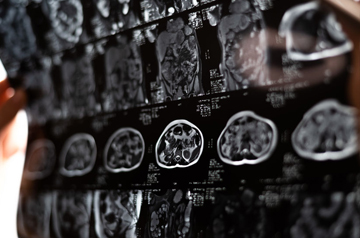
IMCB Magnetic Resonance Imaging (MRI) platform provides a comprehensive pipeline for non-invasive live imaging of rodents, providing structural and functional information with high spatiotemporal resolution. We provide deep expertise in. neuroimaging, including functional MRI (fMRI), resting state fMRI, DTI, structural MRI and proton MRS; 2 as well as in hyperpolarised 13-C metabolic flux imaging, which includes novel hyperpolarisable probe development for bespoke applications.