
Integrated Genomics Solutions from Molecular Profiling to Biological Insight
iCORE Genomics and GIS-CORE combine complementary expertise in array-based genomics, short- and long-read sequencing, library preparation, and bioinformatics to provide integrated, end-to-end genomic solutions.
Our capabilities span the complete genomics workflow—from experimental design and molecular profiling to sequencing, computational analysis, and biological interpretation—supporting diverse research applications in human genetics, disease biology, population genomics, cancer research, and microbial genomics.
Key Services
01 — Array-Based Genomics
High-throughput array technologies for genome-wide molecular profiling and genetic variation analysis.
- Genotyping arrays
- DNA methylation arrays
- Genome-wide variant profiling
- Copy number and cytogenetic analysis
- Population and ancestry profiling
- Array data quality control and analysis
02 — Short-Read Sequencing
High-throughput sequencing for accurate characterization of genomic, transcriptomic, and microbial sequences.
- Short-read library preparation
- Whole-genome sequencing
- Whole-exome sequencing
- RNA sequencing
- Targeted sequencing
- Metagenomic library preparation
- Sequencing data processing and bioinformatics analysis
03 — Long-Read Sequencing
Long-read sequencing enables resolution of genomic regions and biological features that can be challenging to characterise using conventional short-read approaches.
- Long-read library preparation
- Whole-genome sequencing
- De novo genome assembly
- Full-length transcript sequencing
- Epigenetic and nucleotide modification analysis
- Structural variant analysis
- Haplotype phasing
- Long-read metagenomics
04 — Library Preparation
Optimised library preparation workflows supporting a broad range of sequencing applications and experimental designs.
- DNA library preparation
- RNA library preparation
- Whole-genome and whole-exome libraries
- Targeted sequencing libraries
- Amplicon libraries Metagenomic libraries
- Long-read sequencing libraries
- Low-input and challenging sample workflows
Library preparation can be tailored to sample type, sequencing technology, application, and desired analytical outcome.
05 — Bioinformatics & Data Analysis
Transforming high-dimensional genomic data into biologically meaningful insights through robust computational analysis.
Bioinformatics Capabilities
- Genomic Analysis
- Sequence quality control
- Read Alignment and mapping
- Variant calling and annotation
- SNP and indel analysis
- Structural variant detection
- Copy number analysis
- Haplotype phasing
- Transcriptomic Analysis
- RNA-seq analysis
- Differential gene expression
- Transcript and isoform analysis
- Alternative splicing
- Functional enrichment analysis
- Population & Genetic Analysis
- Population structure
- Ancestry analysis
- Genetic diversity
- Genome-wide association analysis
- Phylogenetic analysis
- Microbial & Metagenomic Analysis
- Taxonomic profiling
- Microbial community analysis
- Metagenomic classification
- Pathogen identification
- Comparative microbial genomics
- Interpretation
- Functional annotation
- Pathway analysis
- Biological interpretation
- Integrated genomic data analysis
Key Applications
Array-Based Genomics
- Genotyping and genetic variation profiling
- Genome-Wide Association Studies (GWAS)
- Population Genetics and Ancestry
- Complex Disease and Autoimmune Disease Research
- Cytogenetics
- Copy Number Variation (CNV) Analysis
- Epigenetic and DNA Methylation Studies
Short-Read Sequencing
- Whole-Genome Sequencing (WGS)
- Whole-Exome Sequencing (WES)
- RNA Sequencing (RNA-seq)
- Targeted Gene Panels
- Cancer Genomics
- Metagenomics and Microbiome Profiling
- Genetic Variant Discovery and Characterisation
Short-read sequencing provides high-throughput, high-accuracy genomic profiling for applications requiring comprehensive sequence coverage and robust variant detection.
Long-Read Sequencing
- De Novo Genome Assembly
- Transcriptomics and Isoform Sequencing
- Epigenetics and DNA Modification Analysis
- Structural Variant Detection
- Haplotype Phasing
- Metagenomics
- Pathogen Genomics and Surveillance
Long-read approaches provide enhanced resolution of repetitive regions, complex genomic structures, structural variation, and full-length transcripts, enabling deeper characterisation of genome architecture and function.
Applications Across Genomics Research
Our integrated capabilities support a broad spectrum of genomic research areas:
| Research Area | Key Applications |
| Human Genetics | Genotyping, WGS, WES, variant discovery |
| Disease Genomics | Complex disease, autoimmune disease, cancer genomics |
| Population Genomics | Population structure, ancestry, genetic diversity |
| Epigenomics | DNA methylation, nucleotide modifcations |
| Transcriptomics | RNA-seq, isoform sequencing, differential expression |
| Cytogenetics | VNC, structural variation, genomic abnormalities |
| Microbial Genomics | Metagenomics, microbiome profiling, pathogen surveillance |
| Genome Biology | De novo assembly, haplotype phasing, genome architecture |
From Sample to Insight, An Integrated Genomics Workflow
- Experimental Design
- Sample Processing
- Array / Library Preparation
- Short-Read / Long-Read Sequencing
- Primary Data Processing
- Bioinformatics Analysis
- Integrated Genomic Interpretation
One Platform. Multiple Technologies. Integrated Analysis.
By combining array-based profiling, short-read sequencing, long-read sequencing, and bioinformatics, ICORE Genomics and GIS-CORE provide researchers with the flexibility to select the most appropriate technology—or integrate multiple technologies—to address complex biological questions.
Key Equipment
- Illumina iScans
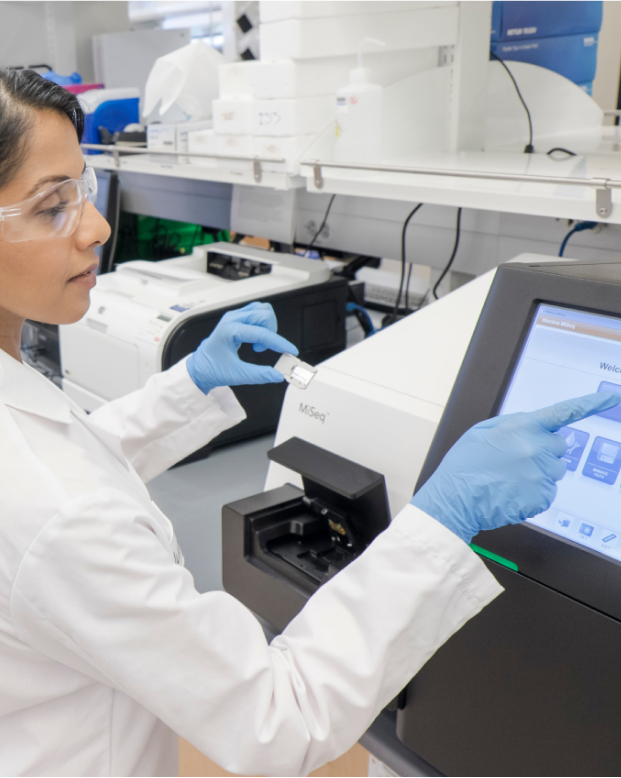
- Illumina Miseq
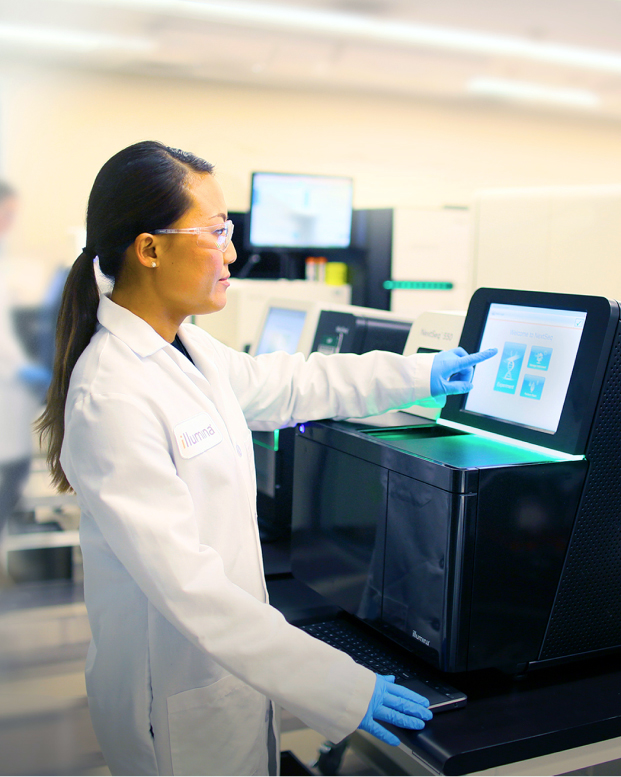
- Illumina NextSeq
- Illumina NovaseqX
- Nanopore GridION
- PromethION
Our People
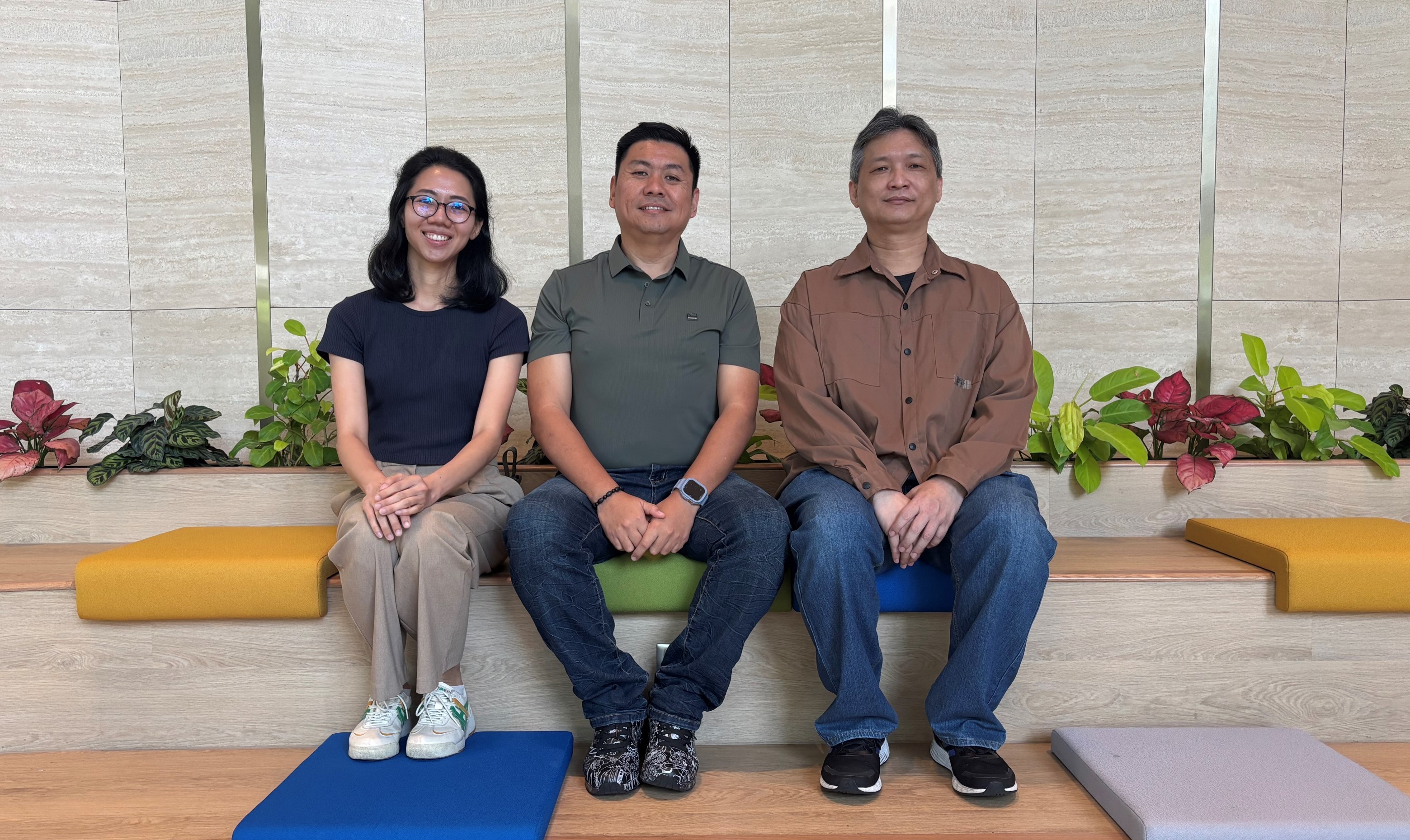
Team Members: Mok Shi Qi (Left); Heng Khai Koon (Middle); Ng Poh Yong (Right); Meah Wee Yang and Peh Su Qin (Not in photo)
Why work with us?
- Integrated Technology: Access complementary array, short-read, and long-read sequencing technologies through a unified workflow.
- Application-Driven Solutions: Workflows can be tailored to specific biological questions, sample types, and research objectives.
- End-to-End Genomics: From library preparation and data generation through computational analysis and biological interpretation.
- Multi-Modal Genomic Profiling: Combine complementary technologies to obtain a more comprehensive view of genetic variation, genome structure, gene expression, and epigenetic features.
- Research-Grade Bioinformatics: Robust computational workflows designed to transform complex genomic datasets into actionable biological insights.
Explore Your Genomics Question
Whether you are investigating genetic variation, disease mechanisms, genome structure, transcriptomic complexity, or microbial diversity, our integrated genomics capabilities can help you select the appropriate technology and analytical strategy.
iCORE Genomics × GIS-CORE
Integrated technologies. Advanced analytics. Deeper biological insight.
Contact us to learn more about our platforms, services and how our team can support your research needs