Translational Neurosciences Researchers
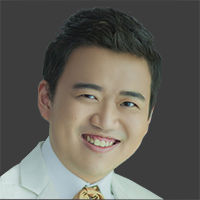
In addition to his role at A*STAR IHDP, Huang Pei is also a visiting fellow at the National University of Singapore’s Multimodal Neuroimaging in Neuropsychiatric Disorders Laboratory. He spent a year at A*STAR’s Singapore Bioimaging Consortium before joining SICS.
Huang’s research spans two complementary domains within neuroimaging. The first focuses on developing and refining MRI analysis methods to more effectively leverage complex multimodal data and uncover patterns that are often overlooked by traditional approaches. The second involves applying these advance tools to investigate the developmental origins and neural profiles of mental health disorders, with an emphasis on childhood and adolescence.
On the methodological front, Huang works on approaches that move beyond region-by-region analyses toward global, network-level characterizations of brain organisation. His work incorporates whole-brain graph metrics, parametric feedback inhibition control (pFIC) models to estimate regional excitatory–inhibitory balance across the cortex, longitundal trajectory analyses and a full suite of established neuroimaging techniques including resting-state fMRI, diffusion tensor imaging (DTI), and magnetic resonance spectroscopy (MRS). Together, these methods enable a more integrative and mechanistic understanding of how large-scale networks operate and interact.
In his applied mental-health research, Huang examines how MRI can help delineate the neural signatures that underlie diverse mental health presentations, with the goal of identifying distinct subprofiles or dimensional phenotypes rather than relying solely on categorical diagnoses. His work aligns with the NIMH Research Domain Criteria (RDoC) framework, emphasizing transdiagnostic dimensions that map more directly onto brain circuits. Reflecting this direction, he was recently awarded the NMRC OF-YIRG to investigate dimensional approaches to mental health in children and adolescents, leveraging multimodal MRI to parse developmental trajectories and brain–behaviour relationships.
Huang obtained both his Bachelor of Science in Physics and PhD in Medical Physics from the University of Cambridge.
Find out more about him here.
PUBLICATIONS
Huang Yunying, Scientist
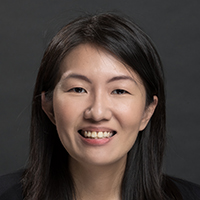
Huang Yunying's research interests are focused on understanding how the brain evolves across the human lifespan and its capacity for reorganisation in response to experience, injury, and environmental factors. She is particularly interested in exploring how these processes unfold at different stages of life and how they can be harnessed for therapeutic interventions with multimodal imaging techniques. By combining methods such as MRI, EEG and NIRS, and MRI, she hopes to develop a more complementary and comprehensive understanding of brain dynamics.
Huang has studied brain plasticity during motor skill learning, investigating how cortical motor areas reorganise as skills transition from novel to automated in healthy participants. Using a combination of EEG and optical imaging (fNIRS & EROS), she has explored the dynamic changes in neural activity associated with motor learning. Additionally, she has worked with stroke patients, employing EEG and fMRI neurofeedback to induce targeted brain reorganisation as a potential adjunct to rehabilitation, aiming to enhance recovery and functional outcomes.
Her project on applying multimodal neurofeedback with stroke patients was selected for a presentation during the highlight session of the 25th European Stroke Conference in 2016 and also earned two student travel awards: One from Kellogg College (University of Oxford) in 2016 and another from the Real-Time Functional Imaging and Neurofeedback Conference in 2015.
Huang obtained her Bachelor degree in Psychology and Master's degree in Social Science (Research) at the National University of Singapore, and did her DPhil in Clinical Neurosciences at the University of Oxford.
Michelle Kee, Principal Scientist I
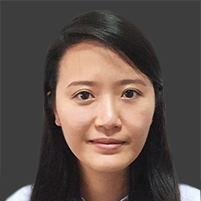
Michelle Kee’s research focuses on antenatal maternal well-being, maternal childhood adversity and parenting styles.
Using data from two multi-ethnic, ongoing longitudinal cohorts in Singapore – one when mothers were recruited during mid-pregnancy stage (GUSTO) and the other involved women recruited during preconception phase (S-PRESTO) – she aims to understand how gene-by-parental-care (or “gene-by-environmental”) interactions predict neurodevelopmental and socio-emotional outcomes in the offspring.
The key projects she’s involved in look into understanding maternal well-being and parenting styles on a child's cognitive and socio-emotional outcomes; and studying how genetic profile scores of psychiatric disorders, traits and susceptibility associates with maternal parenting styles, well-being and a child's outcomes. She’s also leading the Mapping Antenatal Maternal Stress (MAMS) study, where she and her team aim to build a biologically informed prediction model of maternal well-being.
Kee obtained her Bachelor of Science from Nanyang Technological University and her PhD in Integrated Biology and Medicine from Duke-NUS Medical School.
Find out more about her here.
PUBLICATIONS
Desiree Phua, Senior Scientist II
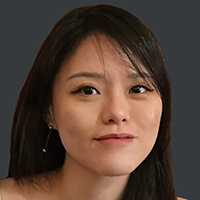
Desiree Phua is a social psychologist who is interested in the effects of the social and digital environment on adolescent development and well-being. She is particularly interested in the social cognitive mechanisms that mediate the interplay of the environment and adolescents' identity.
Her work also focuses on the positive mental health or development of the young people that allows them to thrive or flourish beyond the absence of ill mental health symptoms. As an interdisciplinary researcher, her projects often utilise diverse methodologies from quantitative, qualitative, to experimental methods that span multiple disciplines.
Phua obtained both her Bachelor of Arts in Psychology and PhD from the Nanyang Technological University.
Find out more about her here.
PUBLICATIONS