Research Spotlight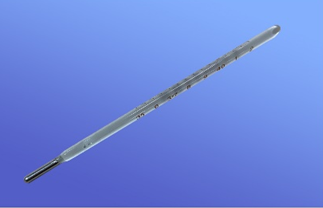
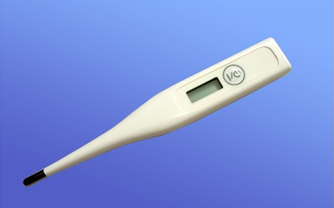
Figure 1: Left: Glass clinical thermometer Right: Digital clinical thermometer (Photo: NMC)
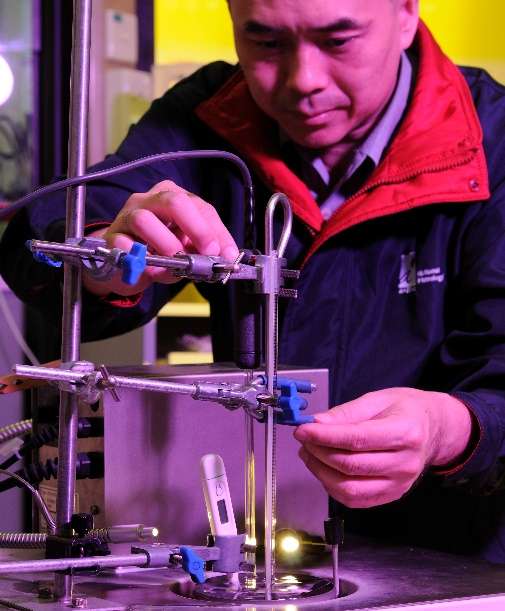
These thermometers are calibrated by immersing them in a stable temperature-controlled water bath together with a reference thermometer. Both readings are then compared to determine the error of the clinical thermometer-under-test, as shown in Figure 2.
Figure 2: Calibrating a clinical digital thermometer against a reference thermometer (Photo: NMC)
Infrared Clinical Thermometers
Ear thermometers measure temperature by sensing thermal radiation energy from the tympanic membrane in the auditory canal in the ear, as illustrated in Figure 3. The radiation energy reaches the sensor, and the thermometer’s electronics and algorithm convert the detected signal to temperature readings. A probe cover is used for hygiene purpose and it is compensated in the algorithm.
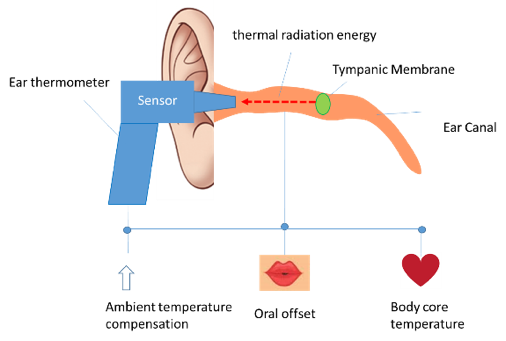
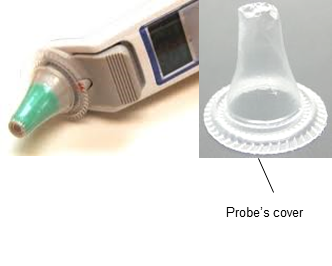
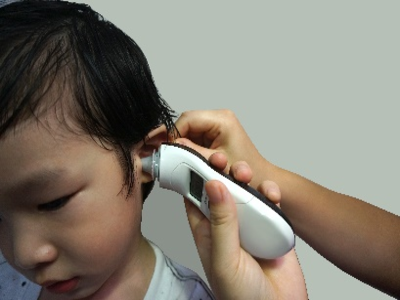
Figure 3: Ear thermometers (Photo: NMC)
Forehead thermometers operate in a similar way, but it senses thermal energy emitting from the surface of the forehead. Its design is particularly suited for young children, and it provides a convenient means for mothers and caregivers to take their body temperature without disturbance, as shown in Figure 4.
To obtain the body temperature through measurement of the forehead skin temperature, an empirical correlation between the two is built into the forehead thermometer. However, unlike the tympanic membrane, which is in a well-protected area, the forehead skin temperature is affected by the person’s physical conditions such as sweating and makeup, and the surrounding environmental conditions such as air-conditioning, all of which can affect the reliability of the measurement.
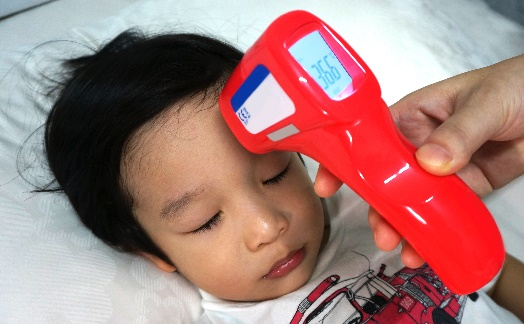
Figure 4: Clinical forehead thermometer (Photo: NMC)
Infrared clinical thermometers are calibrated by pointing them at a blackbody source, the thermal radiation generated of which is accurately measured by the reference thermometer. The error of the thermometer-under-test can then be determined from the measured difference, as illustrated in Figure 5.
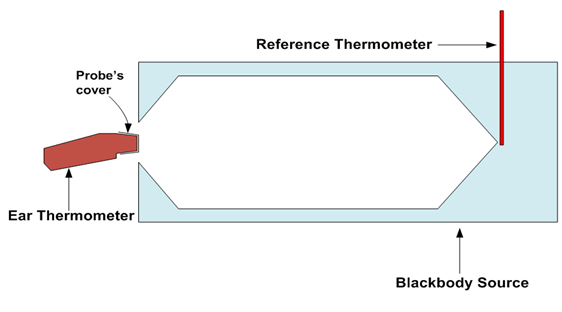
Figure 5: An infrared ear thermometer is calibrated against a blackbody source which generates accurately measured thermal radiation (Image: NMC)
For more enquiries, please contact NMC’s Temperature Lab, Dr Wang Li.
Calibration of Clinical Thermometer for Human Temperature Measurements
26 May 2020
Different thermometers worked differently for the measurement of human body temperature.
The accuracy of thermometers can be evaluated using a stable heat source, which generates the required temperature, and a reference thermometer that has been calibrated based on the national reference standards for temperature. Both the thermometer-under-test and the reference thermometer are exposed to the same heat source to determine the difference in the measured temperature between the thermometer-under-test and the reference thermometer.
Oral Thermometers
Glass and digital clinical thermometers are common oral thermometers, as shown in Figure 1.
These thermometers are calibrated by immersing them in a stable temperature-controlled water bath together with a reference thermometer. Both readings are then compared to determine the error of the clinical thermometer-under-test, as shown in Figure 2.
Infrared Clinical Thermometers
Ear thermometers measure temperature by sensing thermal radiation energy from the tympanic membrane in the auditory canal in the ear, as illustrated in Figure 3. The radiation energy reaches the sensor, and the thermometer’s electronics and algorithm convert the detected signal to temperature readings. A probe cover is used for hygiene purpose and it is compensated in the algorithm.
Forehead thermometers operate in a similar way, but it senses thermal energy emitting from the surface of the forehead. Its design is particularly suited for young children, and it provides a convenient means for mothers and caregivers to take their body temperature without disturbance, as shown in Figure 4.
To obtain the body temperature through measurement of the forehead skin temperature, an empirical correlation between the two is built into the forehead thermometer. However, unlike the tympanic membrane, which is in a well-protected area, the forehead skin temperature is affected by the person’s physical conditions such as sweating and makeup, and the surrounding environmental conditions such as air-conditioning, all of which can affect the reliability of the measurement.
Infrared clinical thermometers are calibrated by pointing them at a blackbody source, the thermal radiation generated of which is accurately measured by the reference thermometer. The error of the thermometer-under-test can then be determined from the measured difference, as illustrated in Figure 5.
For more enquiries, please contact NMC’s Temperature Lab, Dr Wang Li.