01
AI Guided design
We combine advanced biological engineering, AI-guided design and high-throughput experimentation to develop and optimise microbial hosts, enzymes and biosynthetic pathways.
Our Platform
PRIME is a joint synthetic biology platform established by A*STAR’s Singapore Institute of Food and Biotechnology Innovation (SIFBI) and the National University of Singapore (NUS). It brings together biological engineering, data-driven discovery and AI-guided design to accelerate the development and scalable production of high-value and new-to-nature compounds.
By connecting advanced research with translational capabilities, PRIME aims to shorten the journey from biological concept to real-world application across food and nutrition, consumer care, healthy longevity and industrial biotechnology. It also nurtures the next generation of synthetic biology talent through interdisciplinary training, joint research opportunities and exposure to real-world translation.
Why PRIME
The joint lab is designed around the practical bottlenecks that slow biological innovation between an exciting discovery and a scalable product.
01
We combine advanced biological engineering, AI-guided design and high-throughput experimentation to develop and optimise microbial hosts, enzymes and biosynthetic pathways.
02
Automated workflows and data-driven models enable faster testing, learning and optimisation—reducing the time required to move from an initial concept to a validated biological system.
03
Advanced biosynthetic engineering unlocks access to novel bio-based compounds with potential across multiple sectors.
AI-INTEGRATED AUTONOMOUS BIOLOGICAL ENGINEERING
Connects computational design, automated experimentation, miniaturization, biological learning and process scale-up within one continuous design–build–test–learn cycle shortening discovery from years to months.
|
01 DESIGN AI ranks edits, pathway, enzymes & conditionsModel, rank and select enzymes, pathways and biological designs. |
→ |
02 BUILD Automated strain construction and genome editing toolsConstruct and assemble strains using scalable laboratory automation. |
→ |
03 TEST Cultivation & high-throughput analyticsGenerate reliable experimental data across large biological design spaces. |
→ |
04 LEARN Models recalibrate & select next batchUse experimental insights to improve the next biological design cycle. |
↺ CLOSED-LOOP DEVELOPMENT
Each cycle generates data that improves the AI models and guides the next round of biological design and process development.
CORE CAPABILITIES

Scalable Hosts Fungal chassis platformDevelop robust fungal hosts and engineering tools for efficient production of high-value compounds, ingredients and proteins. |

New Molecules Advanced biosynthetic engineeringEngineer complex pathways—including NRPS and PKS systems—to access novel bio-based and new-to-nature compounds. |
INDUSTRY APPLICATIONS
PRIME’s engineering, automation and data capabilities can be translated to different biological systems, products and industry needs, enabling partners to co-develop tailored solutions for real-world applications.
|
01 CONSUMER CARE Bio-based consumer ingredientsCreate bio-based fragrances, functional molecules and performance ingredients for personal and consumer-care applications. |
02 NUTRITION Sustainable food and nutrition solutionsDevelop sustainable ingredients, proteins, lipids and functional compounds for future food and nutrition solutions. |
|
|
03 HEALTHY LONGEVITY Solutions for healthier ageingDiscover and produce bioactive compounds and functional ingredients that support preventive health and healthier ageing. |
04 INDUSTRIAL BIOTECHNOLOGY Sustainable biomanufacturingSupport and advance the bioeconomy by engineering biological production systems for sustainable chemicals, enzymes and advanced bio-based materials. |
|
One integrated platform - translating to different products, sectors and translation pathways.
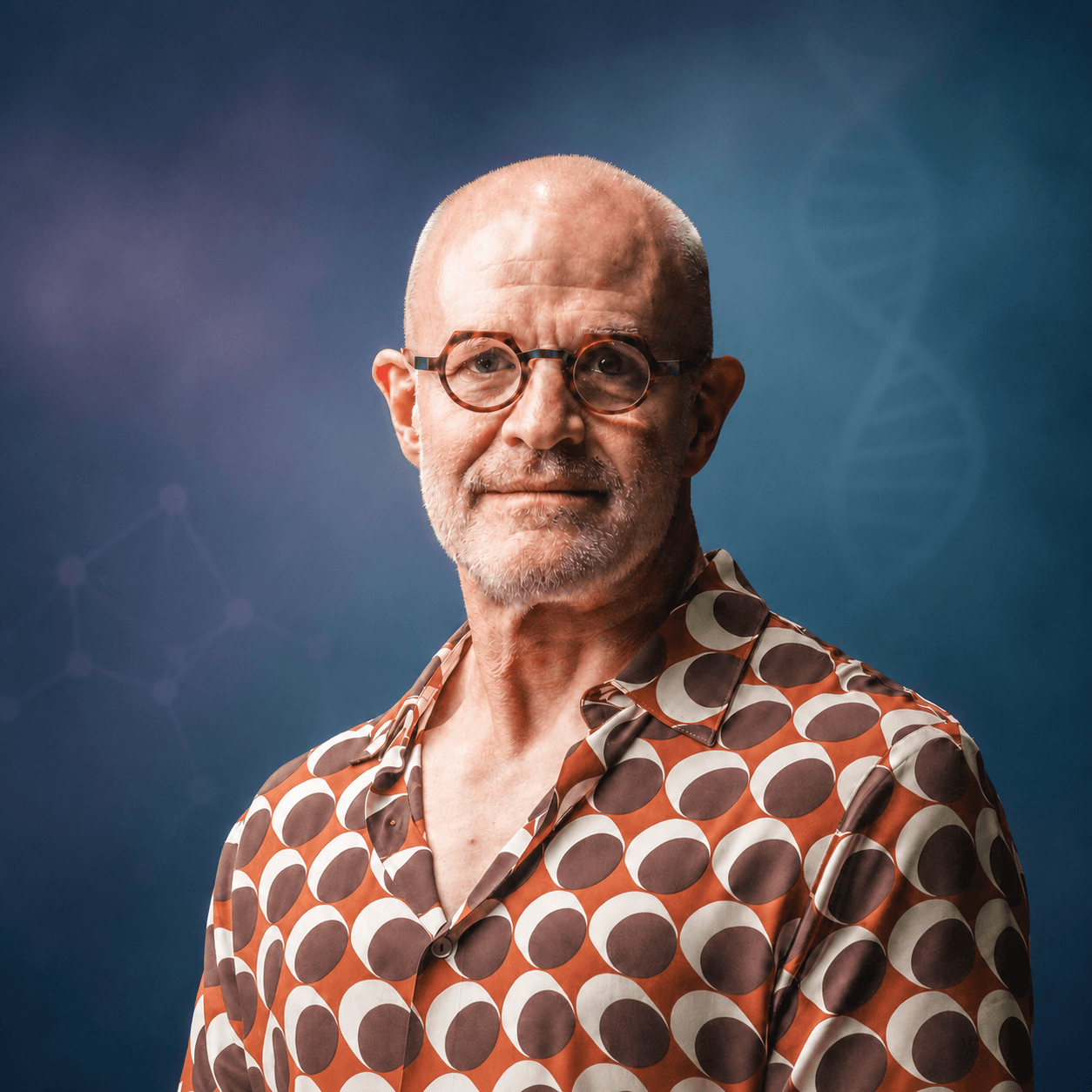
Jay Keasling is the Philomathia Distinguished Chair in Alternative Energy and Professor of Chemical & Biomolecular Engineering and of Bioengineering at the University of California, Berkeley. He is also a Senior Faculty Scientist at Lawrence Berkeley National Laboratory (LBNL). His research centers on the metabolic engineering of microorganisms for the sustainable synthesis of biofuels, commodity and specialty chemicals, and pharmaceuticals.
To advance this work, his laboratory has developed a suite of genetic and computational tools that enable more precise and reproducible control of cellular metabolism. These tools underpin applications spanning biodegradable polymers, biofuels, flavours and fragrances, and pharmaceuticals — including the landmark engineering of microbial production of the antimalarial precursor artemisinic acid.
Prof Jay Keasling is one of the most influential and highly cited researchers in synthetic biology. He has published more than 500 peer-reviewed papers. As a prolific translator of research into industry, Professor Keasling has founded or co-founded numerous biotechnology companies, including Amyris, LS9, Codon Devices, Lygos, Napigen, Demetrix, Maple Bio, Apertor Pharma, and Zero Acre Farms. He is a member of the National Academy of Engineering, the National Academy of Inventors, and the American Academy of Arts and Sciences, and holds more than 60 issued patents.

COLLABORATE WITH US
Whether you are an industry partner, researcher or start-up, PRIME can connect you with expertise in biological engineering, AI-native Design–Build–Test–Learn, automation and biosynthetic engineering. Talk to us about how we can support your next innovation.
| Discuss a collaboration | Read Our News |