Multiphysics devices
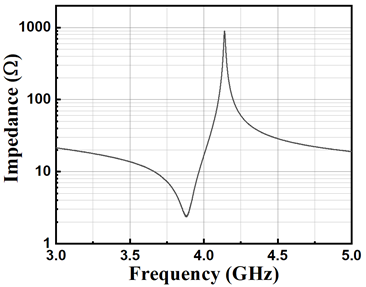
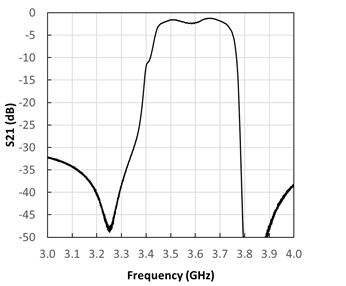
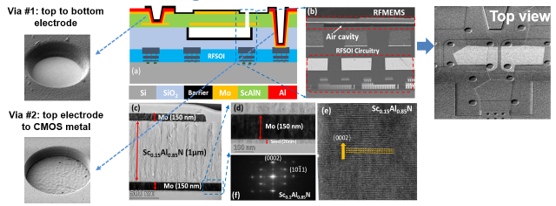
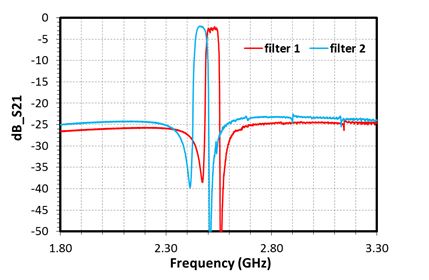
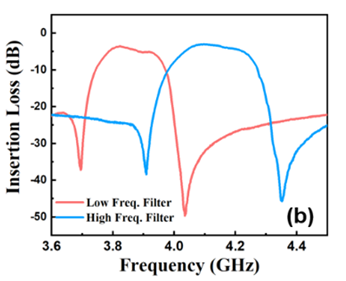
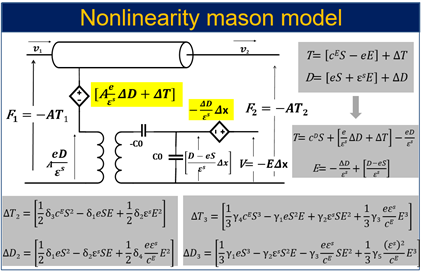
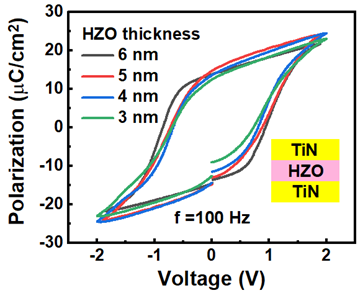
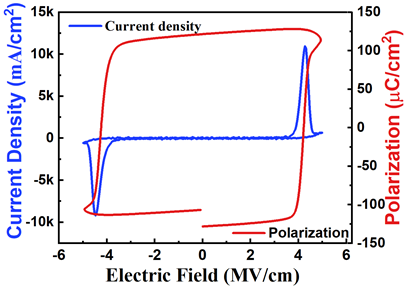
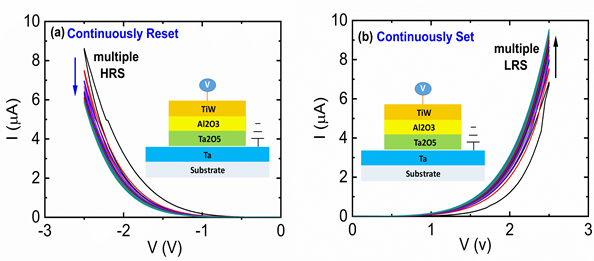
Our research group is dedicated to explore the potential of Scandium Aluminum Nitride (ScAlN) in ferroelectric memory (FeRAM) and piezoelectric RFMEMS applications. In FeRAM application, this recently found ferroelectric material offers several advantages over other materials, including the high Curie temperature, high remnant polarization and steep polarization switching loop. These properties make it a promising candidate to replace current flash memory with large memory window and long reliability, especially in harsh environments such as aerospace and military applications. As a mainstream piezoelectric material, ScAlN's high acoustic velocity, piezoelectric coefficients and low acoustic loss make it attractive for use in radio frequency (RF) resonators & filters, actuators, and various sensors. Besides ScAlN, we are also investigating the LiNbO3-based RFMEMS devices and the HfZrO2-based FeRAM and RRAM devices.
With the capability of design, simulation, fabrication, characterization and prototyping of memory and MEMS devices, we are able to provide customized solutions for various applications upon request, including synaptic devices for in-memory computing, RF filters for mobile communication, timing devices, particle and mass sensors, pressure and flow sensors and so on.
With the capability of design, simulation, fabrication, characterization and prototyping of memory and MEMS devices, we are able to provide customized solutions for various applications upon request, including synaptic devices for in-memory computing, RF filters for mobile communication, timing devices, particle and mass sensors, pressure and flow sensors and so on.